Introduction to Sports Broadcasting
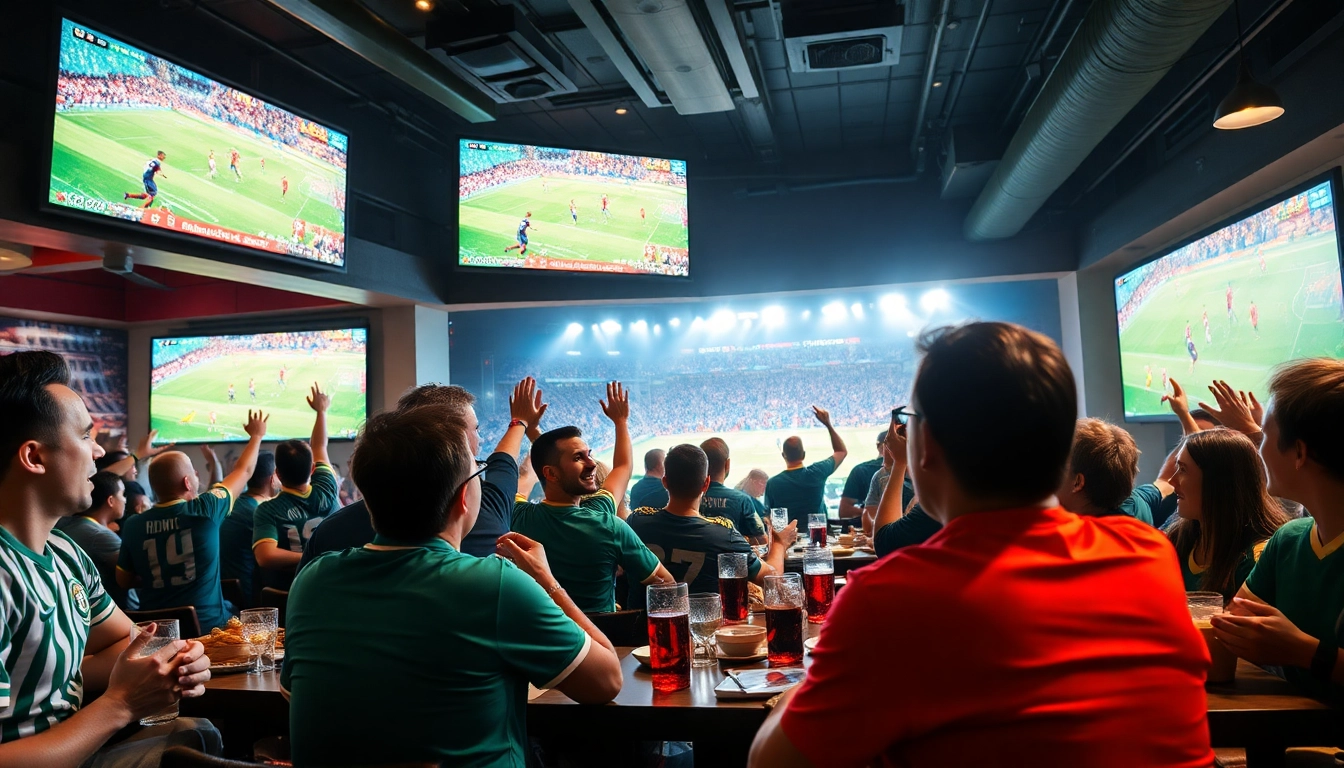
Sports broadcasting has evolved into a multifaceted industry that captivates audiences worldwide. It encompasses the transmission of live sports events via various media channels, ranging from traditional radio and television to modern streaming platforms. As a hub for real-time sports entertainment, Sports Broadcasting plays a crucial role in shaping viewer experiences, generating revenue, and influencing media consumption trends.
What is Sports Broadcasting?
At its core, sports broadcasting refers to the dissemination of sports events and related content through electronic media. This includes live coverage of games, pre-game and post-game shows, commentary, and analysis. The primary objective is to provide viewers with an immersive experience, allowing them to follow their favorite teams and athletes closely.
History of Sports Broadcasting
The origins of sports broadcasting can be traced back to the early 20th century when radio became popular. The first sports broadcast occurred in 1921 when a boxing match was transmitted via radio. Television took this a step further in the 1930s, allowing fans to watch live games in their homes. The 1950s and 60s marked the beginning of significant investments in sports broadcasting, leading to the creation of iconic broadcasts like “Monday Night Football.” Since then, advancements in technology have transformed sports broadcasting, making it more accessible and engaging.
Importance in Today’s Media Landscape
In today’s fast-paced media environment, sports broadcasting holds immense significance. It serves not only as a primary source of entertainment but also as an avenue for advertisers and sponsors to reach vast audiences. With the rise of social media, sports broadcasting encourages interaction between fans, driving engagement beyond traditional viewership metrics. The ability to stream events on various devices has further solidified its importance in our daily lives, making sports a constant presence in popular culture.
Key Components of Sports Broadcasting
Equipment Used in Sports Broadcasting
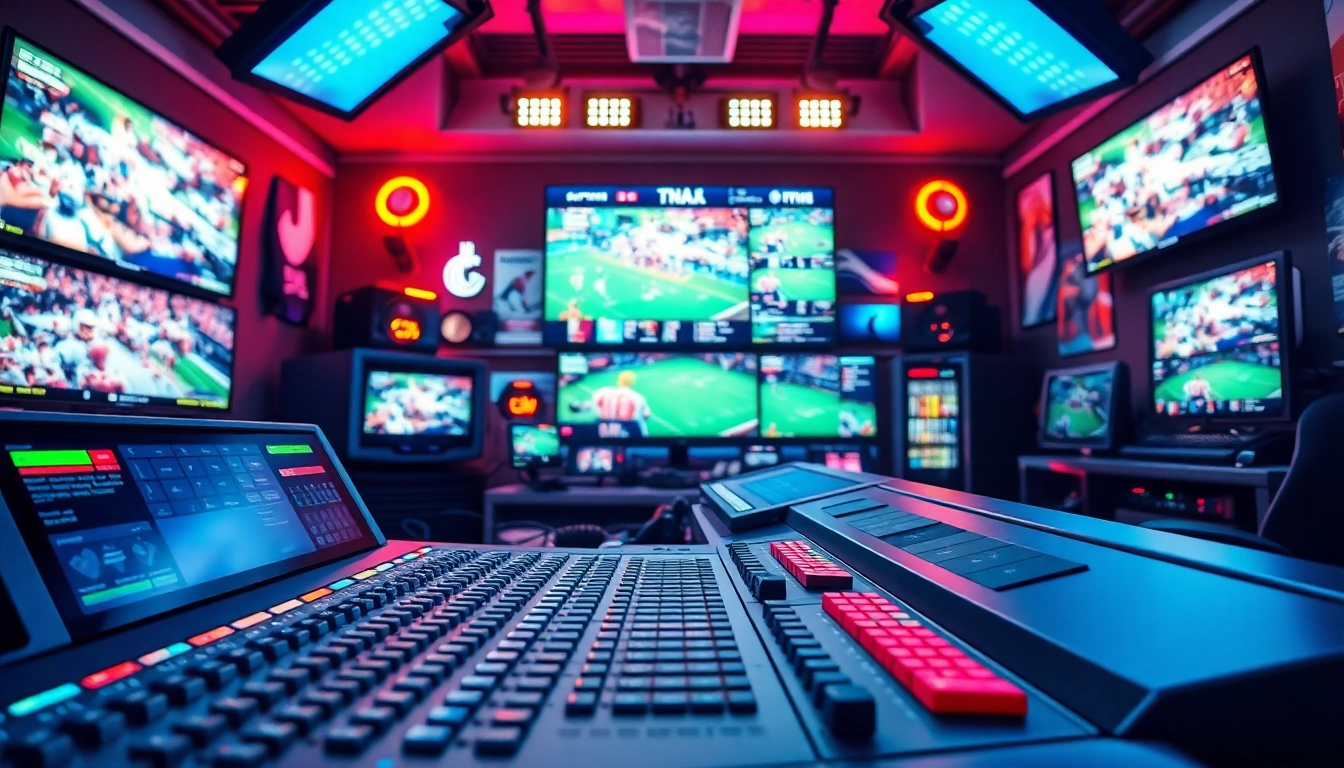
The equipment utilized in sports broadcasting is critical in ensuring high-quality production. Cameras, microphones, and broadcasting software play major roles in capturing and transmitting live sports events. Multi-camera setups are often used to provide diverse angles, enhancing the viewer experience. High-definition cameras have become the standard, providing crisp visuals that engage viewers more than ever. Additionally, drone technology is increasingly employed for aerial shots, offering dramatic perspectives of stadiums and events.
Broadcast Formats: Radio vs. Television
Both radio and television have their unique advantages in sports broadcasting. Radio broadcasts offer a more intimate experience, delivering play-by-play commentary that allows listeners to visualize the action. This can foster a strong sense of community among fans who share the listening experience. In contrast, television broadcasts provide visual storytelling through camera work, graphics, and instant replays. The combination of visual and audio elements creates a comprehensive viewing experience that appeals to a broader audience. Moreover, both formats have adapted to incorporate digital platforms, creating hybrid models that reach diverse demographics.
Live Streaming Innovations
With the ascension of the internet, live streaming has revolutionized sports broadcasting. Services like Twitch, YouTube, and specific sports network apps have made it easier for fans to access content on demand. Innovations such as interactive viewing features allow fans to engage while watching, participating in polls or discussions related to the event. Additionally, the personalization of content through algorithms enhances the viewer experience, as individuals can receive tailored recommendations based on their interests and viewing habits.
Creating Engaging Content in Sports Broadcasting
Understanding Your Audience
To produce successful sports content, understanding the target audience is essential. Sports fans are diverse, from casual followers to passionate die-hard supporters. Conducting surveys and utilizing data analytics can provide insights into audience preferences, interests, and consumption habits. Additionally, engaging with fans through social media platforms helps broadcasters gauge their feedback and tailor content accordingly, ensuring it resonates effectively.
Storytelling Techniques for Sports Broadcasters
Storytelling is paramount in sports broadcasting as it creates emotional connections between fans and the athletes. Effective sports commentary should weave narratives about player backgrounds, team histories, and pivotal moments to engage viewers. Broadcasters can use storytelling techniques such as foreshadowing and character development to add layers of complexity to their coverage. Great sports narratives not only entertain but also educate the audience about the intricacies of the sport.
Utilizing Visuals and Graphics Effectively
Visual elements are integral to captivating audiences in sports broadcasting. Infographics, statistics, and real-time scoreboards provide context and depth to the viewing experience. Animated graphics can illustrate key plays and strategies, enhancing understanding for viewers unfamiliar with specific sports nuances. Careful attention to visual branding also helps maintain a consistent identity across broadcasts, bolstering viewer recognition and loyalty.
Challenges in Sports Broadcasting
Technical and Logistical Issues
Sports broadcasting faces numerous technical and logistical challenges. Issues such as signal disruptions, equipment malfunctions, and inclement weather can disrupt live coverage. It is crucial for production teams to have backup systems in place and conduct thorough testing prior to broadcasts. Comprehensive training for personnel can minimize human error during live events, ensuring a seamless experience for viewers.
Regulatory Considerations
Sports broadcasting is also subject to various regulations and licensing agreements. Broadcasters must navigate complex rights agreements to ensure legal compliance when airing events. Additionally, advertising regulations in sports broadcasting vary by region, affecting how brands engage with audiences. Staying informed about changing laws and acquiring necessary licenses is vital for avoiding potential legal disputes.
Maintaining Viewer Engagement
As viewer preferences evolve, maintaining engagement can be challenging. Broadcasters must innovate constantly to keep their content fresh and relevant. Methods such as interactive polls, fan participation, and gamification can enhance engagement. Moreover, understanding analytics allows for the adaptation of strategies based on viewership data, ensuring broadcasters remain aligned with audience interests and entertainment trends.
Future Trends in Sports Broadcasting
The Rise of Interactive Broadcasting
One of the most notable trends in sports broadcasting is the rise of interactive broadcasting. This enables fans to influence aspects of the viewing experience, such as choosing camera angles or participating in real-time discussions. As technology advances, broadcasters are likely to enhance interactivity, creating immersive experiences that deepen fan connections.
Impact of Social Media on Sports Broadcasting
Social media has drastically changed how fans consume sports. Platforms such as Twitter, Instagram, and TikTok allow for real-time discussions and content sharing. Broadcasters can leverage these platforms to distribute snippets and highlights, while also encouraging conversation around events. This not only boosts viewership but also fosters deeper connections between fans and broadcasters.
Emerging Technologies in Broadcasting
Emerging technologies, such as virtual reality (VR) and augmented reality (AR), are set to redesign traditional broadcasting formats. VR can transport viewers onto virtual sidelines or fan experiences, while AR can enhance broadcasts by overlaying statistics in real-time. As these technologies become more accessible, they promise to reshape not just how sports are viewed but also how they are experienced.
Frequently Asked Questions
What is the role of a sports broadcaster?
A sports broadcaster is responsible for delivering live commentary, analysis, and insights during sports events, enhancing viewer experience through engaging narratives and visuals.
How has technology impacted sports broadcasting?
Technology has revolutionized sports broadcasting by enabling high-definition visuals, instant replays, and interactive features that enhance fan engagement and accessibility.
What are the different formats of sports broadcasting?
Sports broadcasting occurs primarily through television, radio, and digital streaming platforms, each offering unique audience engagement experiences.
Why is audience engagement important in sports broadcasting?
Audience engagement is vital as it fosters loyalty, enhances viewer satisfaction, and ultimately drives higher ratings and revenue for broadcasters and sponsors.
What future trends can we expect in sports broadcasting?
Future trends in sports broadcasting include the rise of interactivity, increased use of social media, and the integration of emerging technologies like VR and AR.